In the absence of clinical trials demonstrating its long-term efficacy, SWT has not been approved by the FDA for the treatment of erectile dysfunction and is not. In the absence of clinical trials demonstrating its long-term efficacy, SWT has not been approved by the FDA for the treatment of erectile dysfunction and is not covered by insurance. In its guidelines for the treatment of erectile dysfunction, the AUA designates SWT as an investigational treatment that should be limited to research trials. Shockwave therapy is a medical treatment that has existed for many years.
It is often used as a non-invasive treatment option for kidney stones and orthopedic injuries. Recently, urologists have started using this therapy to treat erectile dysfunction (ED). The University of Utah Health offers shockwave therapy as an option for patients suffering from erectile dysfunction. Shockwave therapy is generally recommended for patients who don't respond well to medications or who don't want to more invasive treatments.
The procedure hasn't been well studied in men with severe erectile dysfunction or other health conditions, such as diabetes, prostate cancer, or heart disease. This procedure is done in an exam room and does not require anaesthesia. You don't need to prepare anything in advance for the consultation. Once your treatment is complete, you will be able to return home. You should be able to drive home safely.
If you're in pain, your doctor will recommend over-the-counter (OTC) medications, such as acetaminophen or ibuprofen, for pain relief. Most people can resume normal activities the day after shock wave therapy, but your urologist will explain if you need to restrict your activity for longer to recover. Most people who receive shockwave therapy for erectile dysfunction usually see benefits over time. from one to three months.
Initial results (within the first few weeks) can be dramatic. There isn't enough research or long-term data yet to say how long treatment might last, if the effects of the treatment might wear off, or if you'll need additional treatment later on. If you have erectile dysfunction and would like to meet with a U of U Health urologist, call 801-213-2700 to schedule an appointment. You don't need a referral from your primary care provider to see our urologists and get treatment because shockwave therapy isn't covered by insurance.
Believe it or not, erectile dysfunction can be a symptom of diabetes. In fact, half of men diagnosed with diabetes experience erectile dysfunction within 10 years of their diagnosis. Did you know that there is a relationship between high blood pressure and erectile dysfunction? Both of these conditions are part of a larger set of health problems. After a spinal cord injury (SCI), life can be difficult, raising questions and fears about of the new normal.
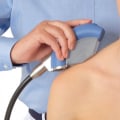
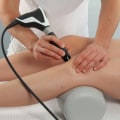
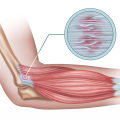
For men, some of the biggest concerns have to do with it. Focused shock waves are produced by electrohydraulic, electromagnetic and piezoelectric devices to generate acoustic waves with a high maximum pressure, a short duration and a wide frequency range. The FSW generates maximum force at a given depth, depending on the device used, the tip of the applicator and the density of the application tissue. FSW can be used to treat tendinopathies and fasciopathies, but also to treat bone-related conditions, given its ability to promote osteoprogenitor differentiation.
Romero points out that the exact mechanisms by which FSW and RPW work are not yet fully understood. However, several studies have highlighted several biological effects on both soft tissue and bone-related conditions. Romero enthusiastically describes the benefits associated with FSW and RPW. These treatments can alleviate pain and increase tissue remodeling in the treatment area.
They are not invasive and minimal or no activity restrictions are required after the procedure, says Dr. This last benefit is a very important point for active people. The procedures are also cost-effective, compared to surgery and other more invasive treatments, and have minimal associated adverse effects. Dra. Romero explains that, as more clinical trials studying FSW and RPW share their findings, the list of recommended indications could be expanded, including combination therapy with other treatments, such as orthobiobological treatments.
Currently, although the device is approved by the Food and Drug Administration for the treatment of plantar fasciopathy, most insurance plans still don't cover FSW and RPW. Romero advises consulting the consensus statement provided by the International Society for Medical Shockwave Treatment (ISMST). Romero adds that there is also increasing evidence to support the use of shock waves to treat spasticity, and some studies show that it is not inferior to botulinum toxin treatments. Documented side effects include skin erythema, minor skin bruising, and pain at the application site.
Romero points out that there is less consensus on associated complications, but these may include hematoma formation, nerve irritation, edema and the theoretical risk of tendon rupture. Early results show that the procedure can help resolve mild to moderate erectile dysfunction. Certain areas of the body are known to be sensitive. So, it's understandable that the idea of using something called “low-intensity shock wave therapy” (LISWT) to treat erectile dysfunction (ED) causes kinks.
Cleveland Clinic is a not-for-profit academic medical center. Advertising on our site helps support our mission. We do not endorse products or services that are not from Cleveland Clinic. After all, shock wave therapy is a treatment method that is used to destroy kidney stones.
So what will it do (and how will it feel) when you write it down? Down there? Urologist Petar Bajic, MD, has the answers. Achieving and maintaining an erection requires a sufficient supply of blood to the penis. Anything that limits blood flow, such as cardiovascular disease and diabetes, can lead to lackluster results. The healing power of LISWT has been evident for years in treating chronic non-healing wounds and tendon or ligament problems (such as plantar fasciitis). In addition, as mentioned above, urologists have long been using LISWT to separate kidney stones.
However, shockwave therapy is a relatively new treatment when it comes to treating erectile dysfunction, says Dr. LISWT is most often used to treat mild to moderate cases of vascular erectile dysfunction. People who suffer from erectile dysfunction for other reasons, such as nerve damage or psychological causes, generally don't respond to LISWT. Some people who undergo shockwave therapy for erectile dysfunction can achieve and maintain an erection without the use of medications (such as sildenafil). Others may realize that they still need to take that little blue pill, but they get better results.
And the effects of LISWT aren't permanent. The treatment usually helps with erectile dysfunction for about one to two years, according to Dr. The Food and Drug Administration (FDA) has not approved the use of LISWT to treat erectile dysfunction. Organizations such as the American Urological Association (AUA) still classify it as an experimental treatment.
However, many healthcare providers (including Cleveland Clinic) offer the LISWT for erectile dysfunction. Procedures that are advertised as “shock wave therapy” are often easy to find in men's health clinics aimed directly at the consumer. But if you choose this path, you may not be getting the treatment you think you are. Usually, these clinics don't offer the LISWT.
Instead, they use something known as radio wave therapy, which has been proven to be ineffective in resolving erectile dysfunction, he emphasizes Dr. The growing interest in the use of wave therapy for erectile dysfunction has succeeded in bringing home devices to the market. A big selling point is that machines cost much less than clinical treatments. But don't be tempted to turn this type of personal care into a DIY project, warns Dr.
These machines use radial therapy, which as mentioned above is not effective in treating erectile dysfunction. In addition, if you have erectile dysfunction, it's best to talk to a health professional rather than trying to address it at home. Erectile dysfunction can be a sign of more serious health problems, such as cardiovascular disease, and can even warn of a future heart attack. While LISWT can work as a treatment for erectile dysfunction in certain situations, remember that it's just one of the many options available.
So, while it's worth a try, it may also not be the best option. Learn more about our editorial process. Adjusting your diet to focus on whole plant-based foods can improve erectile function Here's what you need to know about erectile dysfunction, which most men experience to some extent throughout their lives Research shows that the virus can affect your ability to achieve or maintain an erection Psychological factors are the leading cause of erectile dysfunction in young men, followed by medications and a variety of health conditions Despite assumptions, there really isn't a individual connection between conditions Learn about the many causes of erectile dysfunction without orgasm it can be uncomfortable, but it's no reason to pressure sexual interactions Try sitting and standing exercises to help lengthen and strengthen the muscles that support the plantar fascia. If you have other cold and flu symptoms, it's probably not strep.
How to treat dry, red or itchy skin A cold when it's cold can cause a false feeling of heat and increase the risk of hypothermia. Shockwave therapy, also known as low-intensity extracorporeal shockwave therapy (LiSWT), which is most commonly used for joint pain, inflammation and repetitive strain injuries, is a noninvasive treatment that uses shock waves to stimulate blood flow and tissue growth.