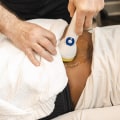
How long does shock wave therapy for hip bursitis last? Shockwave therapy requires several treatment sessions to achieve optimal results. In general, three to five sessions performed at weekly intervals are recommended. The number of sessions needed varies depending on the intensity of the pain and the progress of the condition. Shockwave therapy tends to ease pain more quickly than physical therapy.
Previous studies show that exercise and shock wave therapy offer successful treatment. Therefore, a gentle exercise or physical therapy regimen is recommended to strengthen hip tendons and muscles and improve flexibility. Shockwave therapy helps with hip healing, while exercise rehabilitates tendons and muscles. In 2001, a study that investigated the results of magnetic resonance imaging in patients with GTPS syndrome found that almost all patients had signs of gluteal medius tendinopathy associated with bursitis.
In comparisons, the study found that very few patients had isolated inflammation of the bursa (bursitis) (Bird et al. Therefore, it is likely that the main structure involved in GTPS is the tendon (tendinopathy), so exercise should be an integral part of the treatment program. Shockwave therapy is an excellent adjunct to treating tendon problems. Celecoxib has been used to treat hip discomfort and functional difficulties associated with osteonecrosis of the femoral head (ONFN), although prolonged use usually causes significant adverse reactions.
Extracorporeal shock wave therapy (ESWT) can slow the progression of ONFN, alleviate the pain and functional limitations it causes, and prevent the adverse effects of celecoxib. Shockwave therapy is beneficial for patients with painful conditions of soft tissues (muscles, tendons, and ligaments), joints, and bones. Therapy can help those who suffer from sports or overuse injuries and can benefit those undergoing physical therapy for a variety of ailments. Shockwave therapy is an innovative therapy that can treat specific pain in bones, joints, muscles, tendons and the ligaments.