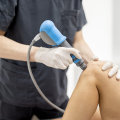
Extracorporeal shock wave therapy (ESWT) is an excellent alternative to steroid injections or surgery for hip bursitis because it is a non-invasive method for. Many people with hip bursitis control the condition by modifying their activity to prevent exacerbations and using crutches and pain relievers to move and relieve pain. Physical therapy can help improve the situation by gradually increasing the strength and flexibility of the muscles and tendons surrounding the hip. However, it may take months for physical therapy to have a positive effect.
Sometimes steroid injections are given in the hip to temporarily relieve pain for a few months in a row, but long-term use of steroid injections can cause tissue damage, so this isn't an ideal solution. In extreme cases, surgery is performed to remove the affected bursa, but this invasive procedure requires general anesthesia. Extracorporeal shock wave therapy (ESWT) is an excellent alternative to steroid injections or surgery for hip bursitis because it is a non-invasive method for relieving pain. In 2001, a study that investigated the results of magnetic resonance imaging in patients with PMS revealed that almost all patients had signs of gluteal medius tendinopathy associated with bursitis.
In comparisons, the study found that very few patients had isolated inflammation of the bursa (bursitis) (Bird et al. Therefore, it is likely that the main structure involved in GTPS is the tendon (tendinopathy), so exercise should be an integral part of the treatment program. Shockwave therapy is an excellent adjunct to treating tendon problems. If you have pain in the side of your hip, you may have trochanteric tendonitis or bursitis.
Overexertion of surrounding muscles and ligaments on the side of the hip can lead to intermittent swelling and pain. The good news is that extracorporeal shock wave therapy (ESWT) can help. In one study, in people who had major trochanteric bursitis for approximately a period of time, shockwave therapy involves the application of sound waves to treat musculoskeletal conditions and sports-related injuries. It is an effective treatment for trochanteric bursitis. Trocanter bursitis, also called hip bursitis or greater trochanter bursitis, is a common problem caused by inflammation of the pouch that covers the greater trochanter (bone bulge on the outside of the hip).
This condition causes pain on the outside of the upper thigh. Major trochanter bursitis most commonly affects runners and athletes who participate in soccer and football. This study aimed to verify the comparative efficacy of focal extracorporeal shockwave therapy versus therapeutic exercise in terms of pain reduction and functional recovery in patients with GTPS, including the possibility of combining both therapies in patients who did not respond to the first treatment. Therefore, both therapies are valid options for patients with trochanteritis; the combination of the two therapies could be evaluated in those patients who do not respond to single treatment.