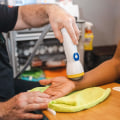
Softwave therapy is a non-invasive regenerative treatment that uses electrohydraulic shock waves to stimulate healing, reduce inflammation and promote tissue repair at the cellular level. Shockwaves penetrate deep into the tissue and trigger a biological response that increases blood flow, stimulates stem cell activation and accelerates natural healing. Soft wave therapy is generally safe and has minimal side effects. Some patients may experience mild redness, pain, or swelling in the treated area, which usually goes away within a few hours or days.
Stem cell migration takes approximately 48 hours to complete. Many patients notice immediate pain relief after the first session, while others notice gradual improvements within a few days or weeks. It's okay to do light stretching and walking. Do not take anti-inflammatory drugs (such as ibuprofen).
Don't do strenuous activities for at least 15 to 24 hours (e.g. weightlifting, running, sports, etc.) Patients are responsible for the cost of treatment if insurance doesn't cover treatment. Receipts are offered to Medicare patients who want to submit information for a refund. People with blood clotting disorders cannot receive cortisone treatment in any area injected with cortisone for 21 days, but other areas can be safely treated during this time.
Soft wave therapy for neuropathy is variable and can be a slow process due to the speed of nerve regeneration. It is known that faster results are obtained in patients who combine software wave therapy with red light. The best way to determine if Softwave is right for you is to schedule an evaluation with a therapist who will evaluate your condition and medical history to see if you're a good candidate. It opens wounds or injuries within the area to be treated.
Severe or cystic acne in the area to be treated. Certain types of physical activity can complement SofWave therapy by improving circulation, mobility and muscle function without placing excessive pressure on the treated area. Because SofWave therapy stimulates blood flow and cell activity, the treatment area becomes temporarily more sensitive. Understanding how to manage your activity level after treatment is crucial to maximizing the benefits of SofWave therapy. Adjusting your exercise plan or spacing out treatments can help you achieve better long-term results with SofWave therapy.
It's easy to feel motivated after a SofWave Therapy session, especially if you experience immediate relief. If you're recovering from pain or injury and want to explore how SofWave therapy can accelerate your healing, DK Chiropractic is here to help. In short, SofWave therapy boosts the healing process, but your body still needs time and support to complete it. Exercise can contribute to the recovery process if approached with care and moderation after SofWave therapy.
In this post, we'll explain how to achieve the right balance between rest and movement after sessions, and what post-treatment guidelines can help you make the most of your experience with SofWave therapy. Although SofWave therapy does not require significant downtime, muscles, tendons and ligaments need time to respond to biological changes that occur inside them. The impact of SofWave therapy is not only superficial, but it penetrates deep into muscles, tendons and joints. SofWave therapy is an advance in non-invasive treatment for pain relief, injury recovery and general well-being.
We specialize in personalized treatment plans for patients in and around Honolulu, Hawaii, and use advanced tools such as SofWave Therapy to restore mobility and reduce pain without invasive procedures. Gentle wave therapy for neuropathy is variable and can be a slow process due to the speed of nerve regeneration.