As a general rule, most insurance companies don't cover shockwave therapy, especially when it's used for conditions that aren't widely recognized by the. Most insurance plans don't cover shockwave therapy for erectile dysfunction or sexual performance problems. Clinical studies have shown promising results for men with erectile dysfunction related to blood vessels. However, many insurance companies still classify shockwave therapy for this purpose.
as experimental or in the research phase. Because you don't meet your criteria for medical necessity, you're almost always excluded from coverage. Although insurance doesn't cover this low-intensity shockwave therapy, reimbursement from a health savings account (HSA) is available. This clinical policy bulletin addresses extracorporeal shock wave therapy for musculoskeletal indications and soft tissue injuries.
Shockwave therapy is a medical treatment which has existed for many years. It is often used as a non-invasive treatment option for kidney stones and orthopedic injuries. Recently, urologists have started using this therapy to treat erectile dysfunction (ED). The University of Utah Health offers shockwave therapy as an option for patients suffering from erectile dysfunction.
Shockwave therapy is generally recommended for patients who don't respond well to medications or who don't want to more invasive treatments. Shockwave therapy for erectile dysfunction is still considered an experimental treatment option. There is some data to support its effectiveness, but research is underway to determine how well it works in the long term and whether it can replace or be offered alongside other proven treatments for erectile dysfunction. The clinical term for this treatment used by urologists is low-intensity shock wave therapy (LiSWT).
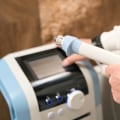
During treatment, a small wand-shaped device uses specific sound waves to stimulate penile tissue and stimulate blood flow, which can also speed up the healing process. Low-intensity shock waves have also been shown to grow new blood vessels and improve blood flow in the penis, which is essential for erections. The procedure hasn't been well studied in men with severe erectile dysfunction or other health problems, such as diabetes, prostate cancer, or heart disease. This procedure is done in an exam room and does not require anesthesia.
You don't need to prepare anything in advance for the consultation. Once your treatment is complete, you will be able to return home. You should be able to drive home safely. If you're in pain, your doctor will recommend over-the-counter (OTC) medications, such as acetaminophen or ibuprofen, for pain relief. Most people can resume normal activities the day after shockwave therapy, but the urologist will explain to you if you should restrict your activity for a longer time to recover.
Overall, clinical studies have shown that shockwave therapy is effective and safe, but more research is needed to identify potential risks and the best treatment protocols for a person with erectile dysfunction. Most people who receive shockwave therapy for erectile dysfunction usually see benefits within one to three months. Initial results (within the first few weeks) can be dramatic. There isn't enough research or long-term data yet to say how long treatment might last, if the effects of the treatment might wear off, or if you'll need additional treatment later on. If you have erectile dysfunction and would like to meet with a U of U Health urologist, call 801-213-2700 to schedule an appointment.
You don't need a referral from your primary care provider to see our urologists and get treatment because shockwave therapy isn't covered by insurance. Believe it or not, erectile dysfunction can be a symptom of diabetes. In fact, half of men diagnosed with diabetes experience erectile dysfunction within 10 years of their diagnosis. Did you know that there is a relationship between high blood pressure and erectile dysfunction? Both of these conditions are part of a larger set of health problems. Sometimes, asking questions about sex can be embarrassing even for adults.
These are questions that range from alcohol and sex to ejaculation disorders. After a spinal cord injury (SCI), life can be difficult, raising questions and fears about the new normal. For men, some of the biggest concerns have to do with it. Researchers at the University of Utah Health and around the world are continuing to investigate other ways in which COVID-19 can affect patients in the long term, namely, erectile dysfunction in men.
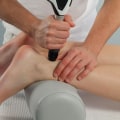
Some of the major causes of erectile dysfunction are diseases such as vascular diseases, surgery, diabetes, and medications. If you have erectile dysfunction, schedule an evaluation with your doctor and get it done. Al-Abbad and Simon (201) stated that extracorporeal shockwave therapy (ESWT) is an effective alternative intervention to surgery for Achilles tendinopathy when other conservative therapies fail. It is important to distinguish between low-intensity shockwave therapy (LiSWT) for erectile dysfunction and high-energy shockwave therapy used in orthopedics. Aetna believes that extracorporeal shock wave therapy (ESWT) is medically necessary for calcified shoulder tendinopathy of at least 6 months with a calcium deposit of 1 cm or more and for those who have not responded to appropriate conservative therapies (e.g., some physical therapy or sports medicine clinics include shock wave therapy as part of a larger rehabilitation program).You can compare shock wave therapy to other treatments, such as physical therapy or surgery.